

How to Treat Achilles Tendon Injuries Safely

November 9, 2026

Achilles tendon injuries affect the strong band connecting your calf muscles to your heel. A podiatrist can identify whether pain comes from tendonitis, a partial tear, or a rupture, then create a personalized plan using activity changes, supportive care, rehabilitation, and—when necessary—advanced treatment to restore safe movement.

Podiatrist evaluating Achilles tendon injuries

What are the most common Achilles tendon injuries?

The Achilles tendon connects the calf muscles to the heel bone and helps you walk, run, jump, and push off the ground. Repetitive stress, sudden increases in activity, poor mechanics, and direct trauma can all contribute to injury.

Common conditions include:

  • Achilles tendinitis or tendinopathy: Pain and stiffness caused by irritation or gradual tendon damage, often above the heel.
  • Strain: Overstretching or injury to the calf-Achilles unit, ranging from mild to severe.
  • Partial tear: A disruption of some tendon fibers that may cause significant pain and weakness.
  • Complete rupture: A full tear that can make it difficult or impossible to push off or stand on the toes.

Achilles tendon pain may also be associated with tight calf muscles, changes in footwear, foot alignment concerns, or a rapid increase in running and jumping.

What does an Achilles tendon injury feel like?

Symptoms vary by injury severity, but may include:

  • Pain, tenderness, or warmth along the back of the ankle
  • Stiffness that is worse in the morning or after rest
  • Swelling or thickening of the tendon
  • Pain during walking, running, stairs, or jumping
  • Weakness when rising onto the toes
  • A sudden popping sensation, bruising, or inability to push off

A sudden pop followed by severe pain or difficulty walking requires prompt medical evaluation. Do not try to “walk it off” if you suspect a rupture.

How does a podiatrist diagnose Achilles tendon injuries?

Diagnosis begins with a detailed discussion of your symptoms, activity level, medical history, footwear, and the event that caused the pain. Your podiatrist will examine the tendon, calf, heel, ankle motion, strength, swelling, and walking pattern.

A physical examination may include checking whether you can rise onto your toes and assessing the tendon’s continuity. Imaging is not always needed, but ultrasound or magnetic resonance imaging may help identify a partial tear, rupture, or another source of pain when the diagnosis is unclear.

Your evaluation may also consider related problems such as sports injuries , sprains and strains , flat-foot mechanics, or footwear-related stress.

How can a podiatrist treat Achilles tendon injuries?

Treatment depends on the location, severity, duration, and cause of the injury. The goal is to reduce pain while allowing the tendon to recover and gradually rebuild strength.

Conservative treatment

For many overuse injuries, your podiatrist may recommend a combination of:

  • Temporary reduction of running, jumping, hills, and other aggravating activities
  • Ice or other strategies to help manage discomfort and swelling
  • Supportive footwear and carefully selected heel lifts
  • A walking boot or other immobilization when protection is needed
  • Physical therapy focused on flexibility, strength, balance, and progressive loading
  • A gradual return-to-activity plan based on symptoms and function

Custom orthotics may be considered when foot mechanics contribute to excessive tendon stress. They are not appropriate for every patient, so an evaluation is important before selecting support.

Advanced or surgical care

Severe tears and complete ruptures may require referral for surgical consultation or coordinated care with an orthopedic specialist. The appropriate approach depends on factors such as age, activity goals, tendon gap, health conditions, and the timing of treatment.

Your podiatrist can help determine whether conservative care is reasonable, arrange imaging, monitor healing, and coordinate referral when specialized treatment is indicated.

Physical therapy and progressive Achilles tendon rehabilitation

How long does Achilles tendon recovery take?

Recovery time depends on the type and severity of injury. Mild irritation may improve over several weeks with appropriate activity modification and rehabilitation. More persistent tendinopathy can take several months because tendon tissue adapts gradually. A rupture or major tear generally requires a longer, closely supervised recovery.

Pain alone should not determine when you return to activity. Your provider may assess walking, calf strength, balance, range of motion, and tolerance for progressive exercises. Returning too quickly can increase the risk of reinjury.

What should you avoid when your Achilles tendon hurts?

Avoid activities that sharply increase pain, including sprinting, jumping, steep uphill walking, and sudden changes in training volume. Do not aggressively stretch or massage a recently injured tendon without professional guidance, particularly after a popping sensation or sudden loss of strength.

Do not rely on pain medication to continue high-impact activity. Medication may reduce symptoms without addressing the underlying injury. Ask a healthcare professional about safe options, especially if you have other conditions or take prescription medicines.

When should you see a podiatrist?

Schedule an evaluation when Achilles pain lasts more than a few days, keeps returning, limits normal activity, or worsens despite rest. Prompt care is especially important if you notice swelling, bruising, weakness, or a change in the tendon’s shape.

Seek urgent evaluation after:

  • A pop or snap in the back of the ankle
  • Sudden inability to push off or walk normally
  • Significant bruising or swelling
  • A visible gap or indentation in the tendon
  • Severe pain after a forceful movement

Early diagnosis can clarify the injury and help prevent a manageable problem from becoming more difficult to treat.

Patient walking comfortably after foot and ankle care

How can you prevent future Achilles tendon problems?

Prevention focuses on gradual progression and consistent support:

  • Increase training intensity, distance, and frequency gradually.
  • Warm up before strenuous activity and maintain calf and ankle mobility.
  • Strengthen the calves and lower legs with a professionally guided program.
  • Wear activity-appropriate shoes that are in good condition.
  • Address recurring pain early instead of training through it.
  • Include recovery days when beginning a new sport or exercise routine.

A podiatric assessment can identify contributing mechanics and help you choose practical strategies for work, recreation, and sports.

Key takeaways for Achilles tendon pain

Achilles tendon injuries can range from irritation and tendinopathy to partial tears and complete ruptures. A podiatrist can distinguish among these conditions, recommend appropriate protection and rehabilitation, and coordinate advanced care when necessary. Evaluation is particularly important after a pop, sudden weakness, bruising, or difficulty walking. If pain is persistent or interferes with your activities, schedule an appointment rather than continuing to train through it. Patients in Cape Coral can contact our office to discuss symptoms and arrange personalized foot and ankle care.

Custom medical orthotics for foot support and alignment
July 23, 2026
Discover why custom orthotics are essential for foot health at every stage of life. From pediatric support to senior mobility, learn the benefits of personalized orthotic care.
Bare feet walking on a sunny beach representing summer foot safety.
June 18, 2026
Discover essential summer foot safety tips to protect your feet from heat, sunburn, and injuries. Stay active in Cape Coral with our humorous guide to summer podiatry.

By VIV Builder • April 9, 2026
Keep your feet healthy and pain-free this Foot Health Awareness Month. Learn about heel pain, orthotics, diabetic care, and injury treatment to stay active.

By VIV Builder • March 17, 2026
Achilles tendonitis can cause heel pain and stiffness that worsens over time. Learn the symptoms, causes, and how podiatry care can help you recover and stay active.
By VIV Builder • March 1, 2026
Ingrown toenails can quickly become painful if left untreated. Learn causes, symptoms, and how podiatry care can provide safe, effective relief and prevention.
By VIV Builder • February 19, 2026
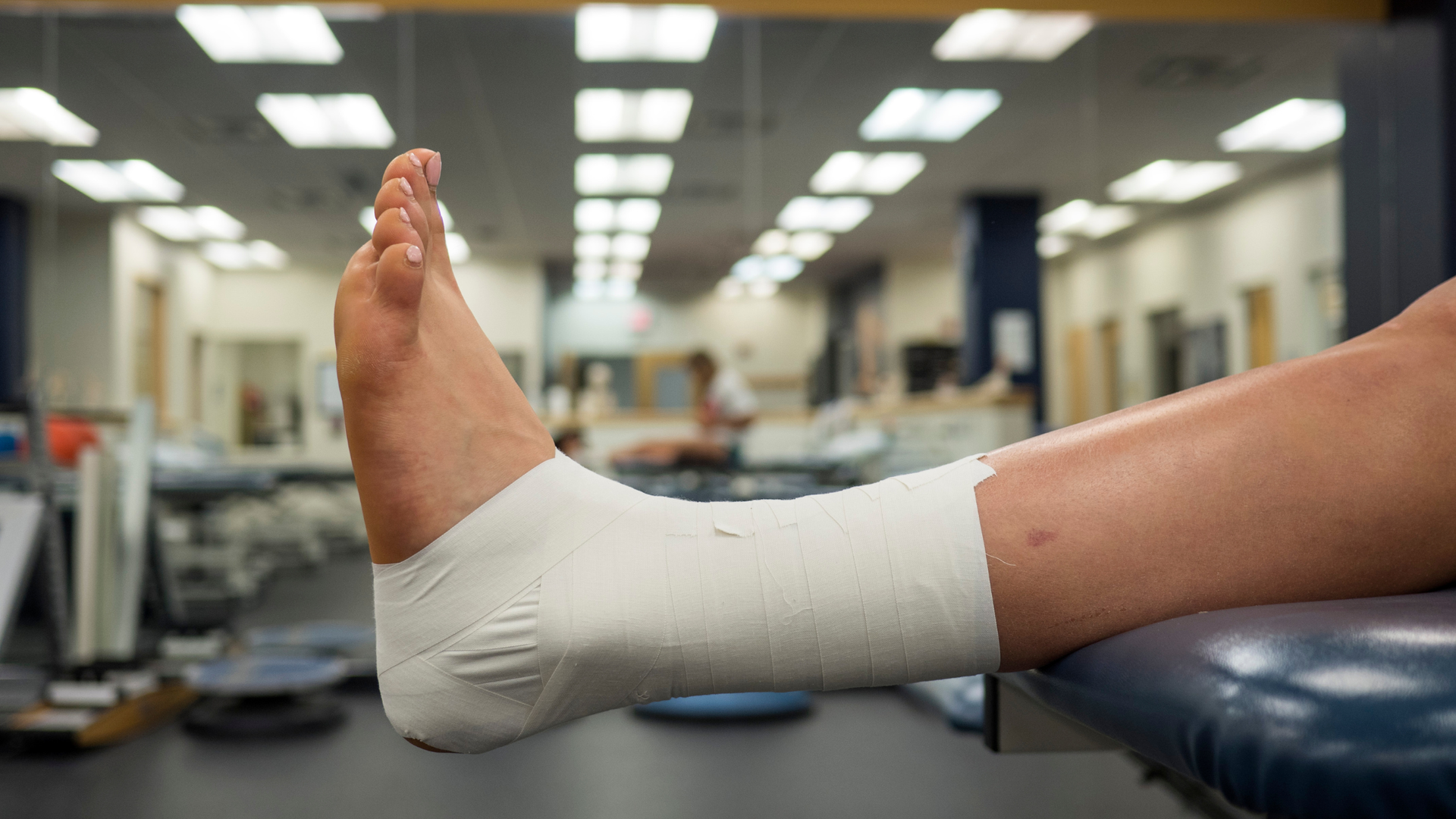
Don’t ignore an ankle sprain. Learn symptoms, causes, and why early treatment is key to preventing long-term pain and instability with expert podiatry care.
By VIV Builder • February 5, 2026
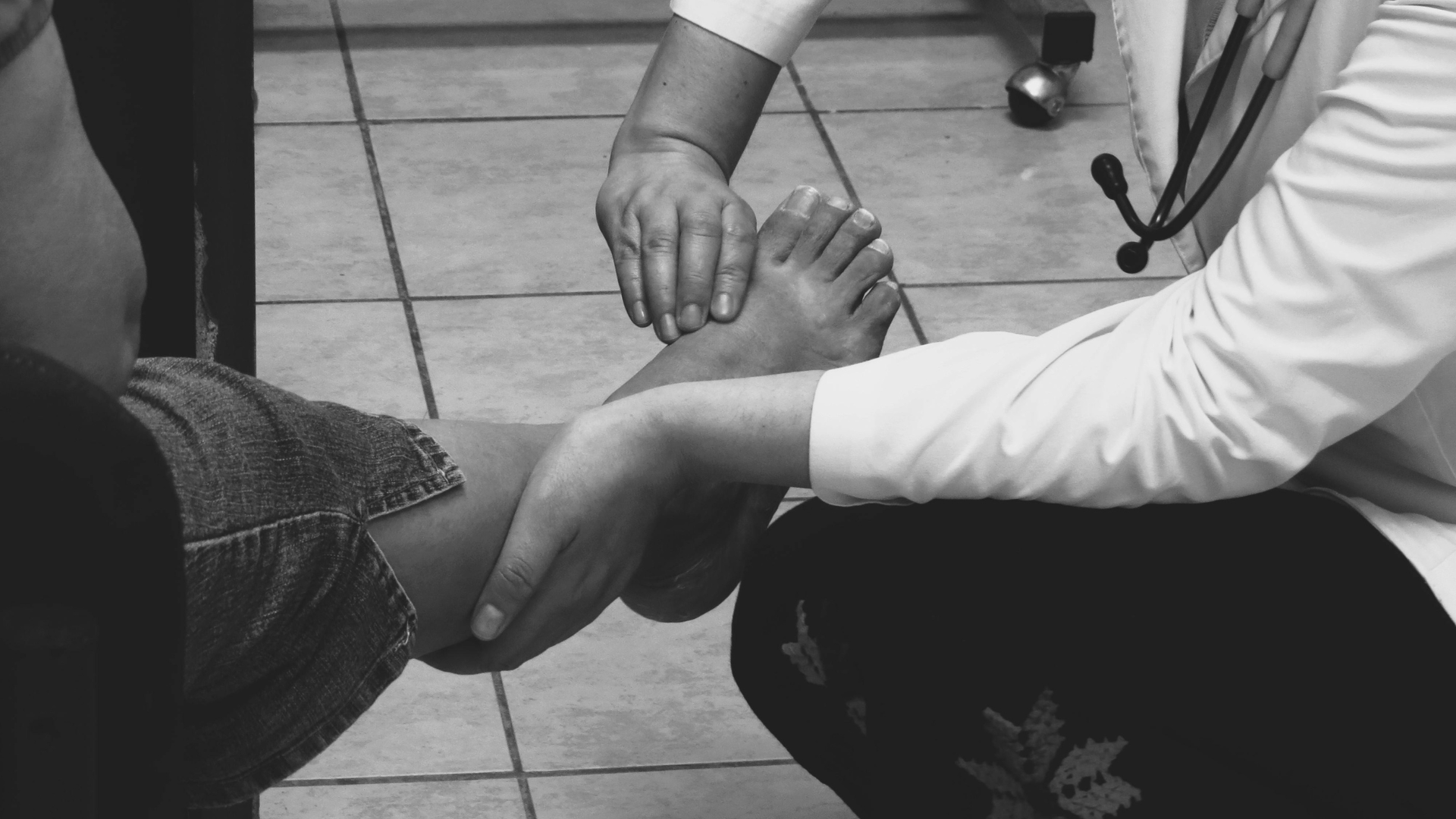
Show your feet some love this February. Learn about common foot problems like heel pain, ingrown toenails, and diabetic foot care, and how podiatry treatment can help.
By VIV Builder • January 23, 2026
Learn what a podiatrist does and how they can help treat foot and ankle conditions. Discover when to seek care and how to stay active, pain-free, and healthy.

By VIV Builder • January 9, 2026
Start the new year pain-free by addressing heel pain early. Learn common causes like plantar fasciitis and how podiatry care can help you stay active and comfortable.

By VIV Builder • December 18, 2025
Start 2026 on the right foot with expert podiatry care. Learn how to prevent foot pain, improve mobility, and stay active with comprehensive exams and treatment options.

Show More