
Summer Foot Safety: How to Win the War Against Hot Sand
Summer foot safety involves protecting your feet from extreme heat, harmful UV rays, and physical trauma during outdoor activities. Key practices include wearing supportive, closed-toe footwear on hot surfaces, applying broad-spectrum sunscreen to the tops of your feet, and maintaining moisture control to prevent fungal infections like Athlete's Foot .
What are the biggest risks to your feet in summer?
Summer in Cape Coral is beautiful, but for your feet, it’s basically an obstacle course designed by a sadistic sun god. The first and most obvious risk is the heat. We aren't just talking about "it’s a bit toasty" heat; we are talking about "I could fry a five-course brunch on this sidewalk" heat. When the air temperature is 90 degrees, asphalt can easily soar to 140 degrees. At that temperature, skin destruction happens faster than you can say "Where did I leave my shoes?"
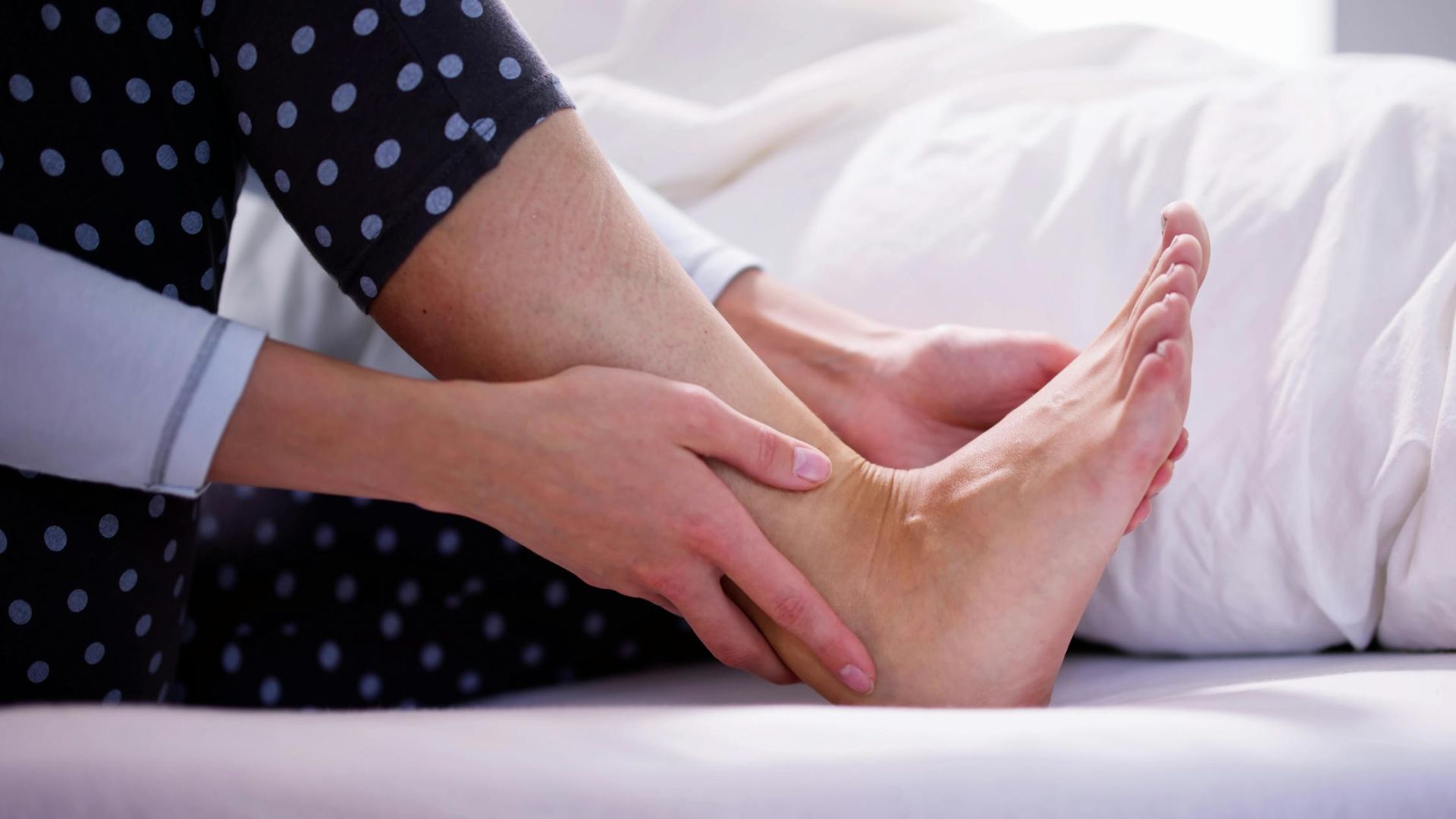
Beyond the literal fire walk, summer brings the temptation of the flip-flop. While they are the official uniform of Florida, most flip-flops offer the structural support of a soggy piece of cardboard. Wearing them for extended periods can lead to Heel Pain and Plantar Fasciitis , turning your leisurely stroll down the pier into a limping march of regret.
Then there’s the moisture. Humidity isn’t just for ruining your hair; it creates a tropical rainforest inside your shoes. This damp environment is the premier vacation destination for fungi and bacteria. If you aren't careful, you might end up with an Infection that makes your toes look like they belong in a horror movie rather than a pair of sandals.
The Hidden Dangers of Walking Barefoot
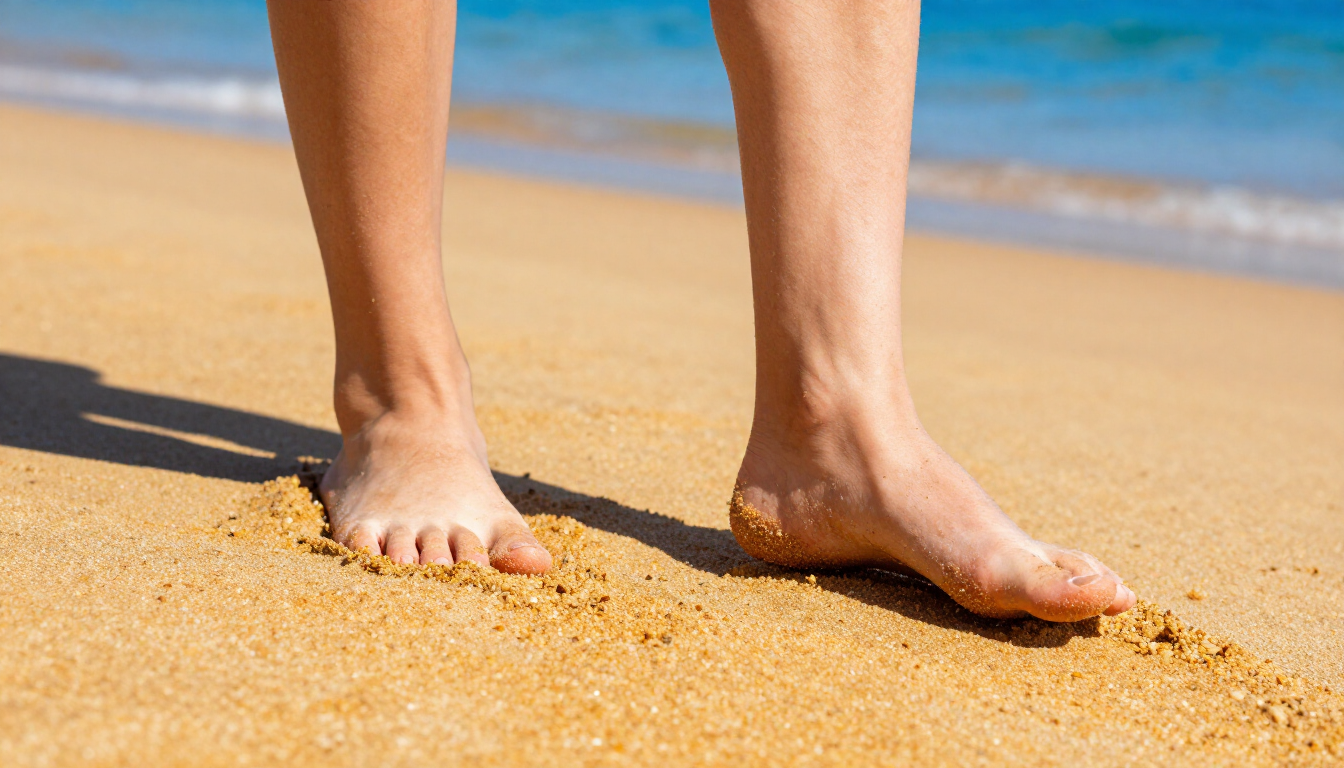
We get it. The feeling of grass between your toes or sand under your arches feels like a return to nature. But nature is out to get you. When you go barefoot, you are essentially inviting every sharp object, stinging insect, and microscopic pathogen to make a home in your skin.
In the summer, the ground is a buffet of hazards:
- Hot Pavement: Second-degree burns are not a great summer accessory.
- Sharp Objects: Buried shells, broken glass, and rogue LEGOs at the park.
- Stinging Critters: Fire ants and bees love a good barefoot target.
- Pathogens: Public pools and locker rooms are breeding grounds for Plantar Warts .
- Structural Strain: Without support, your arches collapse faster than a sandcastle at high tide.
Walking barefoot also exposes you to the dreaded "summer toe stub." We’ve all been there—trying to navigate the patio while carrying a tray of burgers, only to meet the corner of a heavy wooden chair. Without the protection of a sturdy shoe, that stub can easily become one of many Sports Injuries or even a fracture that lands you in the office of a Cape Coral podiatrist.
Can you get a sunburn on your feet?
Yes, absolutely, and it is every bit as miserable as it sounds. People often forget the tops of their feet when applying sunscreen. They slather it on their shoulders, their nose, and their back, but leave their feet completely vulnerable. The skin on the top of your foot is actually quite thin and sensitive. A severe sunburn here can cause significant swelling, making it nearly impossible to wear shoes for days.
If you are planning to spend the day at the beach or on a boat, remember to apply a broad-spectrum SPF 30 or higher to your feet. Don’t forget the ankles! A sunburned ankle is the gift that keeps on giving every time your sock rubs against it. If you do end up with a burn, stay hydrated and use aloe vera, but if you notice blistering or signs of an Infection , it’s time to call in the professionals.
How to choose the right summer footwear
Choosing footwear in the summer is a delicate balance between "I want to look like I’m on vacation" and "I don't want my feet to fall off." The $2 flip-flops you found at the gas station might be tempting, but they are the enemy of summer foot safety .
When shopping for summer shoes, look for these features:
- Arch Support: Your feet shouldn't be flat against the ground.
- Cushioning: To absorb the shock of walking on hard boardwalks.
- Breathability: Mesh or natural materials to let the sweat escape.
- Secure Straps: To prevent your foot from sliding around and causing Calluses .
- Traction: To keep you upright on slippery pool decks.
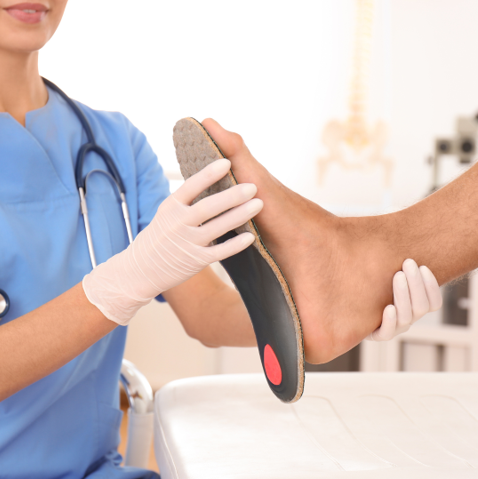
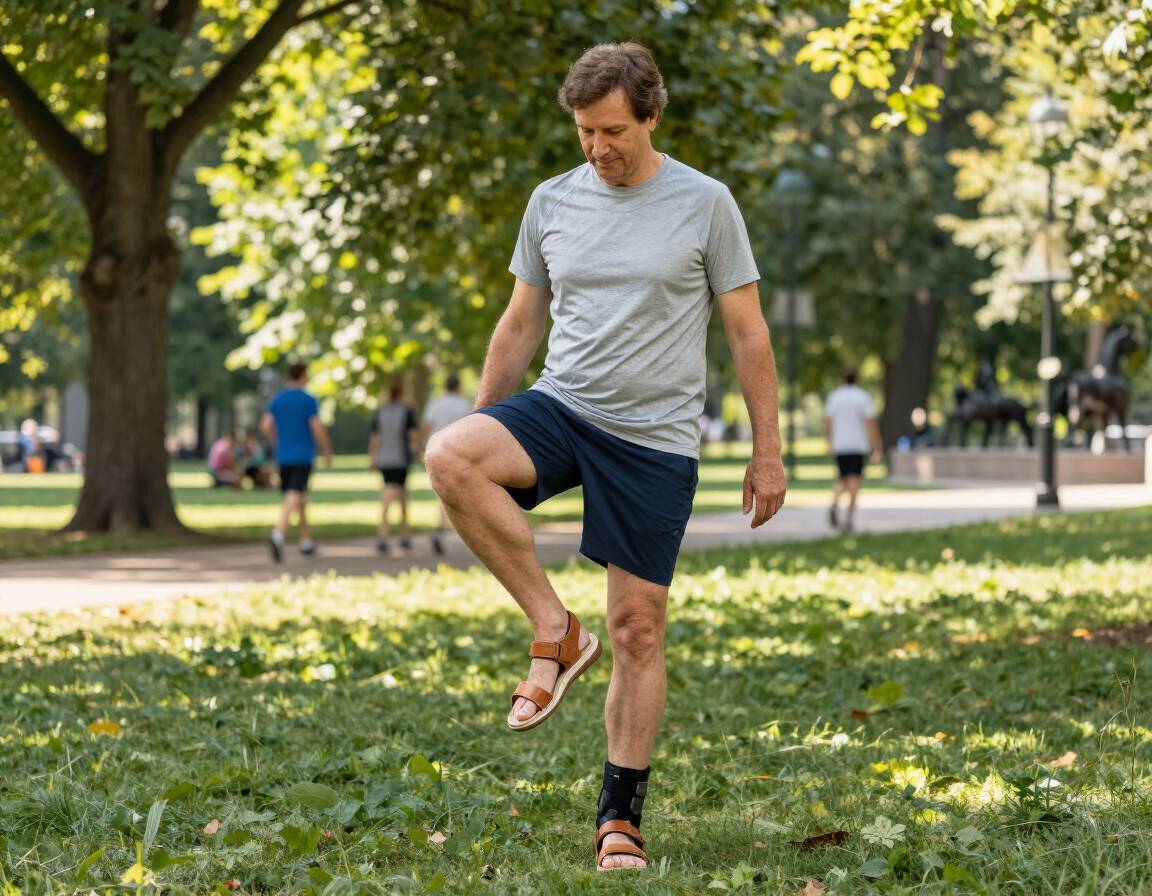
If you struggle with chronic issues like Flat Feet or Bunions , you might even consider custom Orthotics that can be fitted into higher-quality sandals. This ensures you get the support you need while still enjoying the breeze. Remember, a shoe that stays on your foot without you having to clench your toes is always the superior choice. If you have to do a "toe-grip" to keep your sandal on, you’re just inviting a future case of Tendonitis .
Preventing Fungal Infections in High Heat
Fungi love heat and moisture. In Florida, we have both in abundance. To keep your feet from becoming a science experiment, you need to practice proactive hygiene. This means more than just a quick rinse in the shower. You need to actively dry between your toes—yes, every single one of them.
If you are prone to Athlete's Foot or Onychomycosis (fungal nails), consider using an antifungal powder in your shoes. Also, never wear the same pair of shoes two days in a row. They need time to dry out completely. If you’ve spent the day at the local water park, change into dry socks and shoes as soon as possible. Your feet will thank you by not itching like crazy at 2 AM.
For those managing Diabetic Foot Care , summer hygiene is even more critical. Small cuts or fungal cracks can quickly escalate into serious problems in the humid heat. Always inspect your feet daily for any redness, swelling, or changes in skin texture.
When should you see a Cape Coral podiatrist?
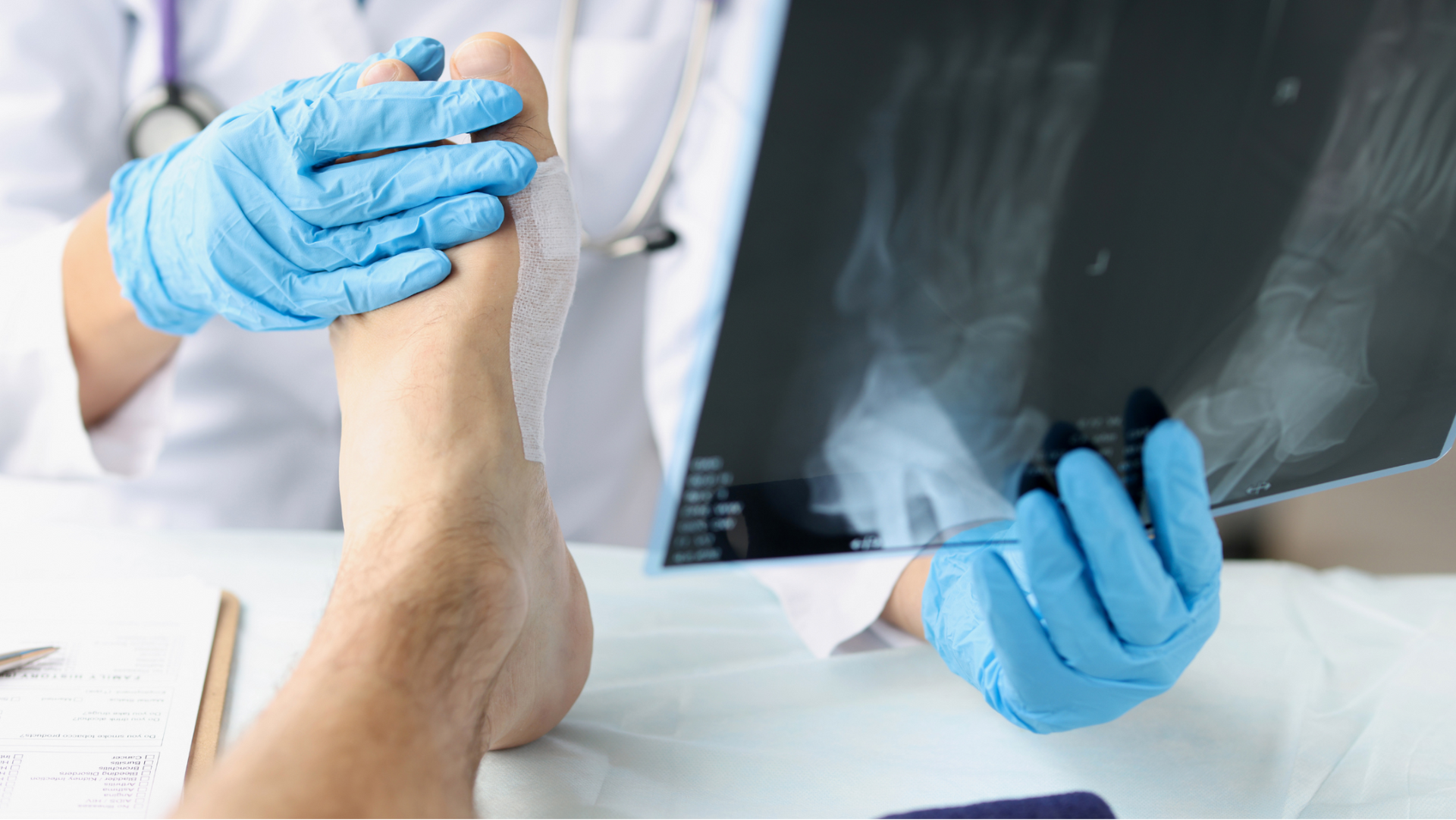
While we all like to play “Dr. Internet” and self-diagnose, there comes a time when you need an actual human with a medical degree to look at your barking dogs. If you experience persistent Heel Pain that doesn't go away with rest, or if that “minor” scrape from the boat dock starts looking angry and red, it’s time to book an appointment.
Don't wait until you are hobbling through your summer vacation. Early intervention for things like Ingrown Toenails or Sprains/Strains can mean the difference between a week on the couch and a week on the golf course. We are here to help you maintain an active, pain-free lifestyle so you can actually enjoy everything Cape Coral has to offer.
Essential Summer Foot Care Tips
To wrap things up (and hopefully not wrap your feet in bandages), let’s review the golden rules of summer foot safety. Keeping your feet healthy isn’t rocket science, but it does require a bit of mindfulness amidst the burgers and sunshine.
- Hydrate your skin: Use moisturizer at night to prevent Xerosis (dry skin) and cracked heels.
- Check the temperature: If the ground is too hot for your hand, it’s too hot for your feet.
- Size matters: Feet swell in the heat; ensure your shoes aren't pinching.
- Don't ignore pain: Pain is your body’s way of saying “Hey, stop that!”
- Keep them dry: Change socks frequently if you’re active outdoors.
Final Takeaway for Summer Foot Safety
Protecting your feet during the warm months is all about common sense and a little bit of preparation. By choosing the right shoes, using sunscreen, and avoiding the